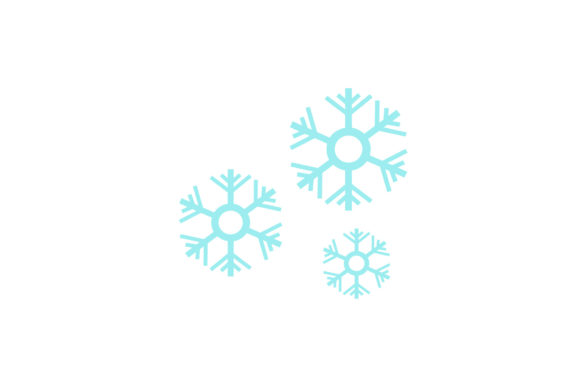
Christmas Illustration Snow Asset: An Embroidery Review
As a professional designer who spends more time behind an embroidery machine than a computer screen, I approach every new digital asset with a healthy dose of skepticism. We have all downloaded graphics that look stunning on a monitor but turn into thread nests or muddy blobs once stitched out. When evaluating the Christmas Illustration Snow Asset, my primary focus is not just its aesthetic appeal as one of many holiday illustrations, but its actual viability as a machine embroidery design for real-world production. After reviewing the vector files and testing the concept on fabric, here is my practical assessment for fellow makers, Etsy sellers, and apparel decorators considering this graphic for their winter lineup.
First Impressions and Visual Mood
The immediate strength of this Christmas Illustration Snow Asset lies in its clean, illustrative style. Unlike complex photographs or overly shaded raster images, this graphic possesses distinct lines and shapes that translate logically into stitch paths. The mood is undeniably festive yet restrained, avoiding the chaotic clutter that often plagues holiday graphics. For a designer, this visual clarity is promising. It suggests that when converted into an embroidery file, the snow elements will retain their definition rather than bleeding into an indistinguishable white mass.
The canvas size of 1920 px x 1280 px provides ample resolution for digitizing without pixelation artifacts interfering with node placement. Because the asset is available in AI, EPS, SVG, DXF, JPG, and PNG formats, digitizers have maximum flexibility. I particularly appreciate the inclusion of vector formats like SVG and EPS, as these allow us to manipulate individual snowflake nodes before assigning stitch types. This editability is crucial for adapting the design to different hoop sizes or combining it with personalized text for custom apparel.
Real-World Application: The Holiday Sweatshirt Test
To truly judge this asset, I mentally applied it to a current client project: a batch of heavyweight cotton sweatshirts for a local boutique’s holiday pop-up shop. Sweatshirt embroidery presents specific challenges due to the fabric's texture and stretch. In this scenario, the Christmas Illustration Snow Asset serves as an excellent secondary element or border accent rather than a massive center chest piece.
I envision using the snow illustration as a delicate yoke detail across the shoulders or cascading down one sleeve. On a fleece-backed sweatshirt, a dense fill stitch can cause puckering or create a stiff, bulletproof patch of fabric. However, because this graphic has open negative space, it allows for strategic use of running stitches and lighter satin stitches. This maintains the garment's drape and comfort, which is essential for customer satisfaction. For an Etsy seller, offering a sweatshirt where the embroidery feels integrated rather than pasted on can significantly increase perceived value and reduce return rates due to stiffness.
Furthermore, this asset shines in mixed-media applications. Imagine a tote bag design where the snow illustration is stitched in white thread against a natural canvas background, paired with heat-transfer vinyl lettering. The contrast between the matte thread and shiny vinyl creates a premium handmade product feel that commands higher price points at craft fairs.
Navigating Fabric Limitations and Stitch Density
While versatile, the Christmas Illustration Snow Asset requires careful handling depending on your substrate. White-on-white embroidery is notoriously difficult; if you are stitching this onto a white baby onesie or light linen tea towel, the design relies entirely on shadow and texture for visibility. In these cases, I recommend increasing the stitch density slightly or utilizing a textured fill stitch to create physical relief that catches the light. Without this adjustment, the snow asset may disappear in photos, hurting your online listings.
Conversely, exercise caution on highly textured fabrics like terry cloth towels or chunky knits. Fine details in snow illustrations can get lost in the pile. If using this for kitchen towels or nursery decor, consider adding a knockdown stitch layer beneath the design or simplifying the asset by removing the smallest snow particles. Always test on scrap fabric first. A design that looks crisp on screen can vanish into towel loops, wasting time and materials.
For stretchy fabrics like ribbed knit caps or baby clothes, stabilization is non-negotiable. Even though the graphic is lightweight, the repetitive motion of stitching snow patterns can distort the fabric grain. Use a high-quality cut-away stabilizer and consider a water-soluble topping to prevent stitches from sinking. Remember to check whether the design works for both personal and commercial projects by confirming licensing terms before selling finished items, especially if you plan to scale production for a small shop product line.
Enhancing Product Value and Brand Consistency
Beyond technical execution, this asset impacts business metrics. Professionalism in embroidery comes from consistency. Using a cohesive set of illustrations across different products—matching the snow asset on a gift tag, an embroidered patch, and a pillow cover—builds brand recognition. Customers trust shops that present a unified aesthetic. This Christmas Illustration Snow Asset is neutral enough to pair with various typography styles, making it a reliable workhorse for seasonal collections.
For digital product sellers offering printable mockups or design assets, the high-resolution PNG and JPG versions are invaluable. You can create realistic previews showing how the snow pattern interacts with fabric textures before a single needle pierces cloth. This transparency builds buyer engagement and reduces pre-sale questions. Whether you are creating personalized gifts for wedding parties or commercial embroidery for corporate holiday parties, the asset’s adaptability ensures it adds value rather than limiting your creative options.
Essential Designer Notes for Success
Before loading this Christmas Illustration Snow Asset into your digitizing software or sending it to production, run through this practical checklist:
- Verify Vector Integrity: Open the SVG or EPS file to ensure all paths are closed. Open paths can cause runaway stitches during digitization.
- Contrast Check: Test the design in black and white mockups. If the snow details rely solely on color contrast rather than value contrast, they will fail in monochrome embroidery.
- Stitch Type Assignment: Avoid converting the entire illustration to satin stitch. Utilize running stitches for fine drifts and fill stitches only for larger snow mounds to manage thread consumption and stitch count.
- Hoop Size Confirmation: While the canvas is large, ensure your specific hoop size accommodates the scaled version you intend to use. Resizing vector art is easy; resizing embroidery files after digitizing often distorts stitch angles.
- Licensing Compliance: Explicitly confirm if the license permits commercial use on finished products versus digital resale. Protect your craft business by understanding these boundaries.
- Thread Color Testing: "White" thread varies wildly between brands. Test different shades (pure white, cream, silver) against your target fabric. Sometimes a soft grey defines snow better than pure white on light backgrounds.
Ultimately, the Christmas Illustration Snow Asset is a strong contender for holiday embroidery projects because it respects the medium. It offers the visual charm necessary for seasonal sales while providing the structural simplicity required for clean stitching. By approaching it with technical mindfulness regarding fabric choice, stabilizer selection, and stitch density, makers can transform this digital graphic into tangible, high-quality goods that delight customers and withstand the rigors of holiday wear. Whether you are embellishing a baby blanket or branding a boutique collection, this asset provides a solid foundation for professional results.