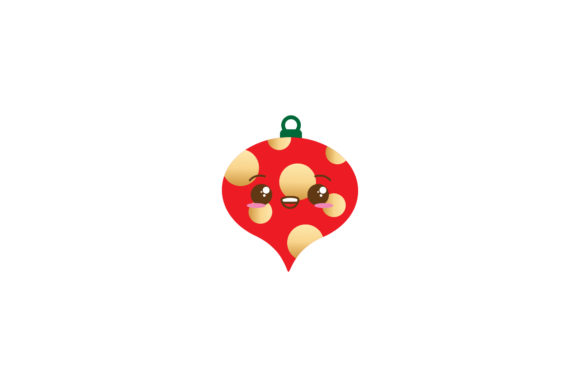
Christmas Bell Holly Berries Design Review
When sourcing graphics for holiday embroidery projects, the line between a beautiful digital illustration and a functional stitch file is often blurred. As a designer who regularly evaluates assets for commercial production, I approached the Christmas Bell Holly Berries Design with a critical eye toward its utility in real-world applications. This asset arrives as a set of six digital files, including AI, EPS, SVG, and DXF formats, on a 1920px x 1280px canvas. While these are vector-based illustrations rather than pre-digitized machine embroidery files, their structural integrity makes them exceptional candidates for conversion into custom apparel, patches, and holiday merchandise.
First Impressions and Visual Hierarchy
The immediate strength of this graphic lies in its balanced composition. The interplay between the metallic sheen implied by the bells and the organic texture of the holly berries creates a focal point that translates well to thread. In digital format, the lines are clean and distinct, which is the first indicator of a successful future embroidery project. Cluttered illustrations often result in muddy stitching, but this design maintains adequate negative space between elements. For an Etsy seller or small shop owner, this visual clarity suggests the design will remain recognizable even when scaled down for smaller items like baby bibs or sleeve cuffs.
The mood is traditionally festive without being overly ornate. This versatility allows it to bridge the gap between high-end boutique branding and cozy handmade gifts. When I evaluate graphics for potential satin stitch or fill stitch conversion, I look for defined boundaries. The Christmas Bell Holly Berries Design offers clear separation between the bell bodies and the foliage, allowing a digitizer to assign different thread colors and stitch types without excessive overlap or density issues.
Real-World Application: The Custom Tote Bag Test
To truly judge the viability of this asset, I mentally applied it to a specific production scenario: creating a run of natural canvas tote bags for a local holiday market. Tote bag embroidery presents unique challenges due to the coarse fabric texture and the need for the design to be visible from a distance.
In this context, the 1920px x 1280px canvas size provides ample resolution for tracing or auto-digitizing software. For a tote bag, I would likely scale the design to fit a 5x7 hoop size. The bold shapes of the bells would serve as excellent anchors for satin stitch columns, while the holly leaves could utilize a lighter fill stitch to reduce overall stitch count and prevent the canvas from puckering. Because the graphic includes separate vector layers (in the AI and EPS files), modifying the color palette to match specific brand threads or seasonal trends is straightforward. This adaptability is crucial for craft business owners who need to maximize the ROI of their design assets across multiple product lines.
Performance Across Different Substrates
Beyond tote bags, this illustration shows promise for various substrates, provided the digitizing is adjusted accordingly:
- Sweatshirt Embroidery: The design has enough visual weight to stand out on heavy fleece. However, because sweatshirts are stretchy, the open spaces in the graphic are beneficial. They allow for better stabilizer adhesion and reduce the risk of fabric distortion during stitching.
- Baby Embroidery: When scaling down for onesies or blankets, the distinct outlines help maintain definition. Fine details can get lost on small garments, but the primary shapes here are robust enough to survive reduction.
- Embroidered Patches: The contained shape of the bell and berry cluster makes this ideal for patch creation. The vectors provide a perfect guide for creating a merrowed edge or a satin border.
- Kitchen Linens: Tea towels and aprons require designs that withstand frequent washing. The solid areas of color suggested by this graphic would hold up better than intricate, thin line work that might fray over time.
Navigating Technical Limitations and Fabric Choices
While the Christmas Bell Holly Berries Design is versatile, professional judgment requires acknowledging where caution is necessary. As a vector graphic, it lacks inherent stitch data. This means the success of the finished product depends entirely on proper digitizing. You cannot simply load an SVG or DXF directly into an embroidery machine; it must be converted into a stitch file first.
Fabric choice dictates how this design should be interpreted. On textured fabrics like terry cloth or corduroy, fine details of the holly berries may disappear. In these cases, I recommend increasing the underlay and perhaps simplifying the berry clusters into solid shapes rather than detailed segments. Conversely, on thin or sheer fabrics, the density required to render the bells effectively might cause tearing. Always test stitch density on scrap fabric before committing to a full production run.
Dark fabrics present another consideration. If you plan to use this design on navy or black apparel, ensure your digitizing includes adequate underlay to prevent the fabric grain from showing through the stitches. Light-colored thread on dark fabric often requires more passes, which increases stiffness. The open layout of this design helps mitigate that bulk, making it safer for wearable items than denser, fully filled illustrations.
Professional Workflow Recommendations
For makers and commercial embroiderers integrating this asset into their workflow, adherence to best practices ensures a premium result:
- Verify Licensing: Before listing any finished product or digital derivative for sale, confirm the specific commercial license terms associated with these files. Protecting your business starts with respecting intellectual property.
- Create Printable Mockups: Use the high-resolution PNG or JPG versions to create realistic mockups for your online listings. This helps customers visualize the final embroidered patch or sweatshirt embroidery before you even thread a needle.
- Test Contrast: View the design in grayscale before selecting thread colors. If the bells and berries blend together in black and white, they will likely lack depth in thread form. Adjust values during the digitizing phase to ensure dimensional pop.
- Stabilizer Selection: Match your stabilizer to the fabric weight. For this design on knitwear, use a cut-away stabilizer to support the stitch structure permanently. For woven cottons, a tear-away may suffice.
- Hoop Size Confirmation: Measure the actual stitch area after digitizing. Ensure there is sufficient margin within your hoop to prevent the design from hitting the sides during high-speed stitching.
Enhancing Brand Value Through Quality Assets
The difference between a hobbyist project and a professional handmade product often comes down to the quality of the source material. Using well-structured graphics like the Christmas Bell Holly Berries Design signals to customers that you care about the foundation of your work. Clean vectors lead to cleaner stitches, fewer thread breaks, and a more polished final appearance.
For Etsy sellers and creative entrepreneurs, consistency builds trust. When your holiday embroidery collection shares a cohesive visual language derived from high-quality illustrations, your shop looks curated and professional. This design serves as a strong anchor piece for a seasonal collection, pairing easily with complementary typography or simpler accent motifs.
Ultimately, this asset represents a valuable tool for the prepared maker. It offers the flexibility needed for custom apparel and personalized gifts while maintaining the aesthetic standards required for commercial sales. By treating the transition from screen to stitch with technical respect and artistic intention, you can transform these digital files into tangible products that resonate with buyers and stand the test of holiday seasons to come. Always remember to check specific file compatibility and license details before beginning your next embroidery project to ensure both legal compliance and technical success.